
By Uswa Sports · 15 November 2026
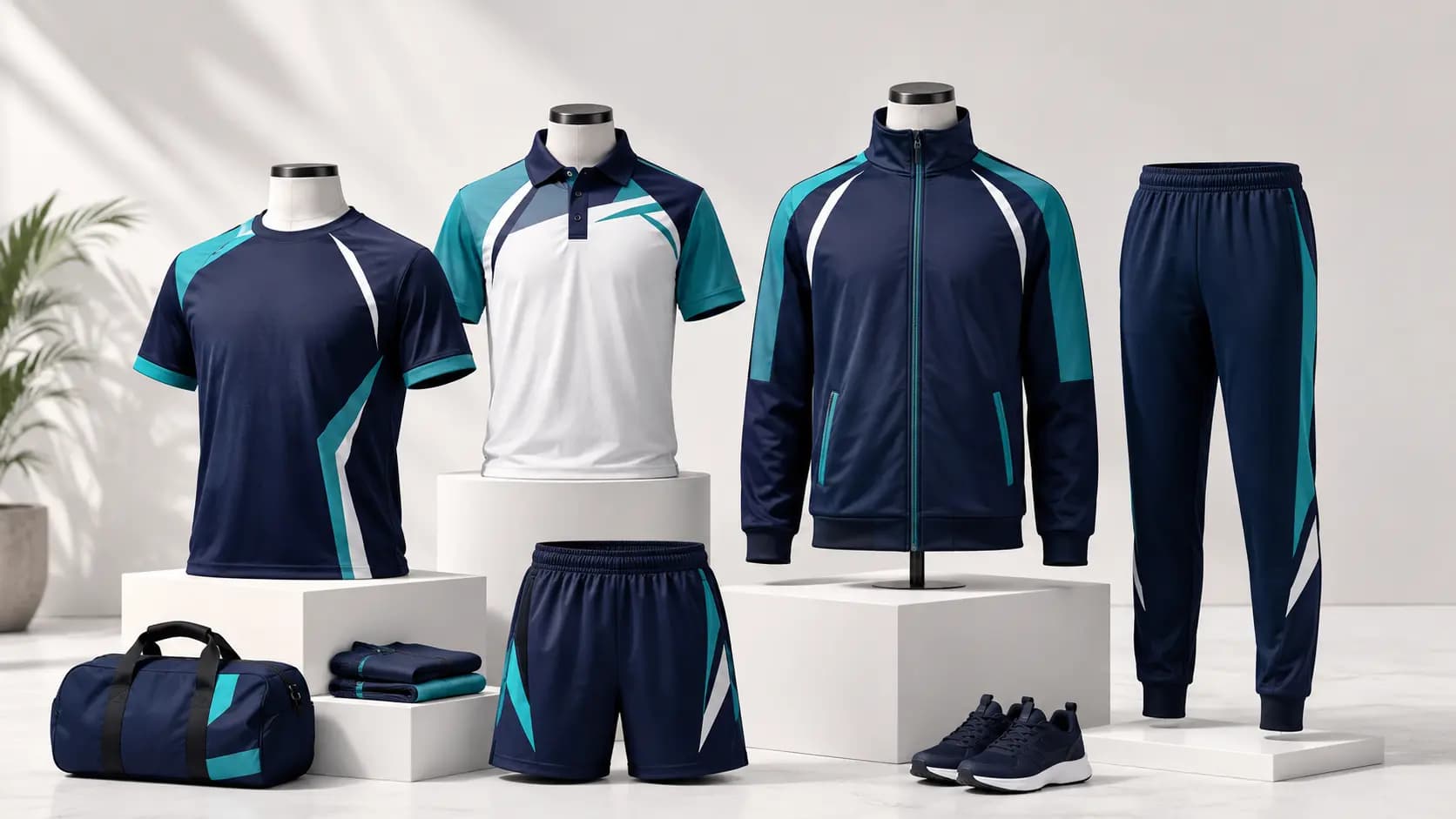
Baseball has one of the most recognisable uniform traditions in sport. Classic script wordmarks, contrast piping and stitched numbers are part of what makes a team look the part. This guide covers the decisions in order, so your design works for players, umpires and your manufacturer.
1. Choose the jersey style
| Style | Look | Best for |
|---|---|---|
| Full-button | Traditional pro look | High school, college, adult leagues |
| Two-button | Henley-style placket, pulls over the head | Youth, travel ball, softball |
| Crew-neck or V-neck pullover | Simple, lightweight | Rec leagues, practice, budget kits |
| Sleeveless with undershirt | Vest worn over a coloured undershirt | Softball and throwback looks |
2. Pick your colours and trim
Most teams use two or three colours: a base jersey colour, a primary colour for lettering and a contrast for outlines. Piping down the placket and around the sleeves and collar is a classic baseball detail that adds a lot for little cost. Many teams order a white home jersey and a grey or coloured away jersey in the same design.
3. Design the wordmark
The chest wordmark is the heart of a baseball jersey. Script lettering with a tail underline gives a classic look, while arched or straight block lettering is bolder and easier to read. Keep the wordmark simple enough to be cut in twill if you want a stitched finish, and supply it as a vector file.
4. Place numbers and names
- Back numbers are standard, usually around 20 to 25 cm tall for adults.
- Player names usually go above the back number in block letters.
- Small front numbers sit on the lower left chest, under the wordmark.
- Sleeve numbers, flags or league patches are optional extras.
5. Choose the decoration method
Tackle twill (stitched-on layered fabric) is the traditional baseball finish and lasts for years. Sublimation prints the whole design into the fabric, which suits patterns, gradients and youth teams on a budget. Screen printing works for simple one-colour designs. Our guide to sublimation vs screen printing vs embroidery compares them.
6. Complete the uniform
A full uniform adds pants with piping or a contrast stripe, belts, socks or stirrups and caps in matching colours. See custom baseball uniforms for full kits, custom baseball jerseys and custom softball jerseys for jersey styles, and youth team jerseys for Little League and travel teams. Add custom batting gloves in team colours to finish the look.
7. Prepare your artwork and roster
- Send the logo and wordmark as vector files (AI, EPS, PDF or SVG).
- List Pantone references for every colour.
- Include photos of jerseys you like.
- Prepare a roster with names, numbers and jersey and pant sizes.
- Check league rules on colours, numbers and patches.
8. Approve a mock-up and sample
A good manufacturer turns your brief into a digital mock-up of the front, back and sleeves, then makes a physical sample so you can check colours, lettering and fit. For general tips that apply to every sport, see how to design a custom jersey.