
By Uswa Sports · 15 November 2026
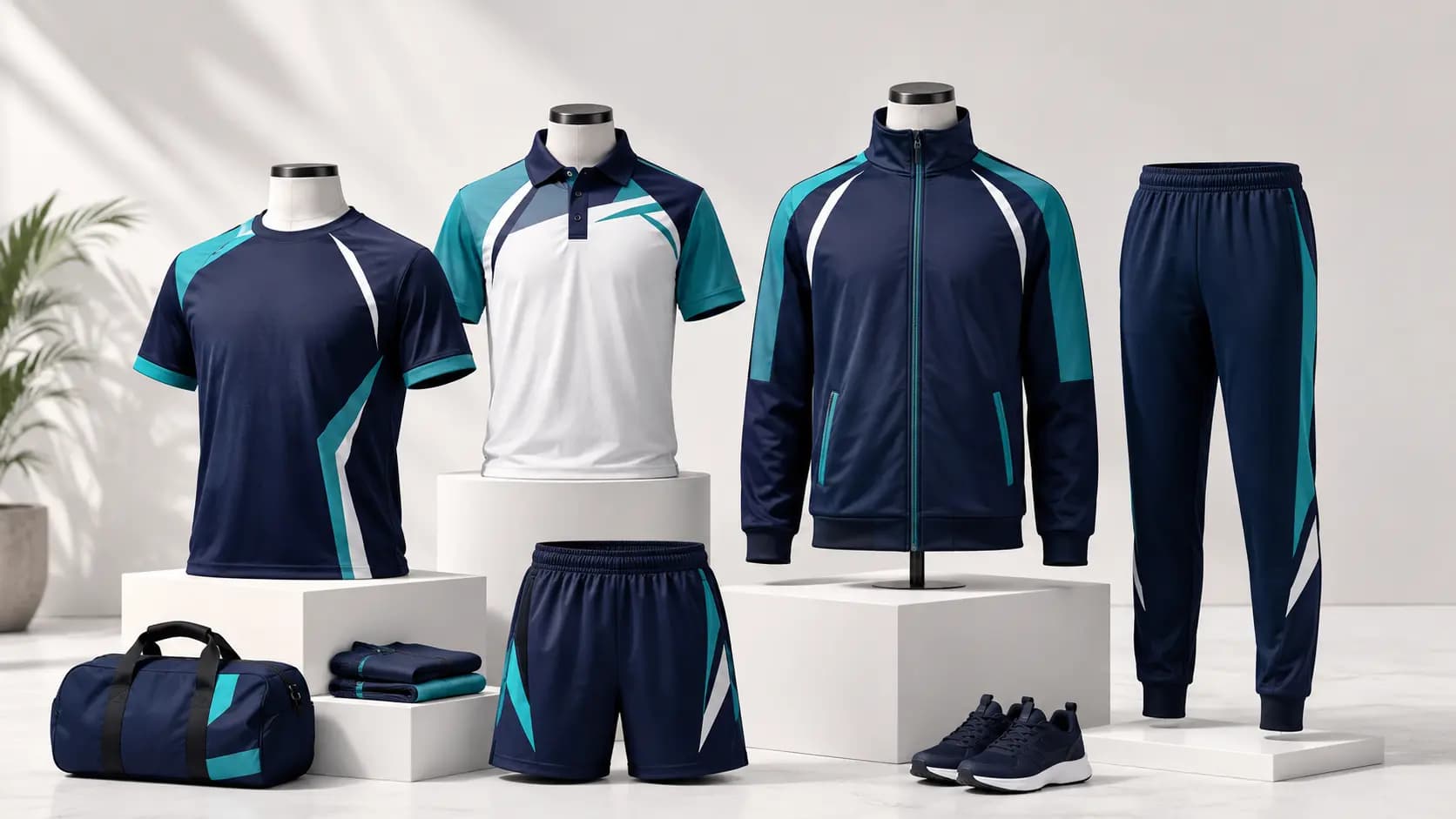
Designing your own jersey is one of the best parts of starting a team or a brand, but a design that looks good on screen does not always work on fabric. This guide walks through the decisions in the order a manufacturer needs them, so your jersey looks the way you imagined and is produced without delays.
1. Start with the sport and the cut
Each sport has its own standard cut. Soccer jerseys are close-fitting with short sleeves, basketball jerseys are sleeveless with deep armholes, baseball jerseys are button-front, and American football jerseys are cut to fit over pads. Choose men's, women's or youth fits for each player group. See custom jerseys for jersey styles by sport.
2. Choose your fabric
- Lightweight mesh or interlock polyester for soccer, basketball and running.
- Double-knit polyester for baseball and American football, which takes twill numbers well.
- Recycled polyester for teams and brands with sustainability goals.
- Heavier knits for replica and fan jerseys that need a premium feel.
3. Build a colour palette
Two or three main colours are usually enough: a base colour, a contrast for trims and numbers, and an accent. Strong contrast between the base colour and the numbers matters more than anything else, because referees, coaches and fans need to read them from a distance. Always give your manufacturer Pantone references, because colours on screen look different from colours on fabric.
4. Place logos and sponsors
| Element | Usual position |
|---|---|
| Club crest | Left chest |
| Main sponsor | Centre chest |
| Kit or brand logo | Right chest |
| Secondary sponsors | Sleeve, back below the number, or shorts |
| League patch | Sleeve |
5. Pick fonts for names and numbers
Choose a bold, simple font. Very thin, script or decorative fonts become hard to read on the back of a moving player. Many leagues also set minimum heights for back numbers, often around 25 cm for adults, with smaller front and sleeve numbers. A contrasting outline makes numbers stand out on patterned designs.
6. Choose a decoration method
Sublimation gives unlimited colours and patterns on polyester, tackle twill gives a raised classic look for baseball and hockey, and screen printing or heat transfer suit simpler designs. Our guide to sublimation vs screen printing vs embroidery compares them in detail.
7. Prepare your artwork
- Send logos as vector files (AI, EPS, PDF or SVG) wherever possible.
- List Pantone colour references for every colour.
- Include reference images of jerseys you like.
- Prepare a roster with names, numbers and sizes.
- Note any league rules on colours, numbers and sponsors.
8. Approve a mock-up and a sample
A good manufacturer will turn your ideas into a digital mock-up showing front, back and sleeves, then make a physical sample for you to check colours, fit and print quality. Approve both before bulk production, and order a few spare jerseys for new players during the season.