
By Uswa Sports · 29 November 2026
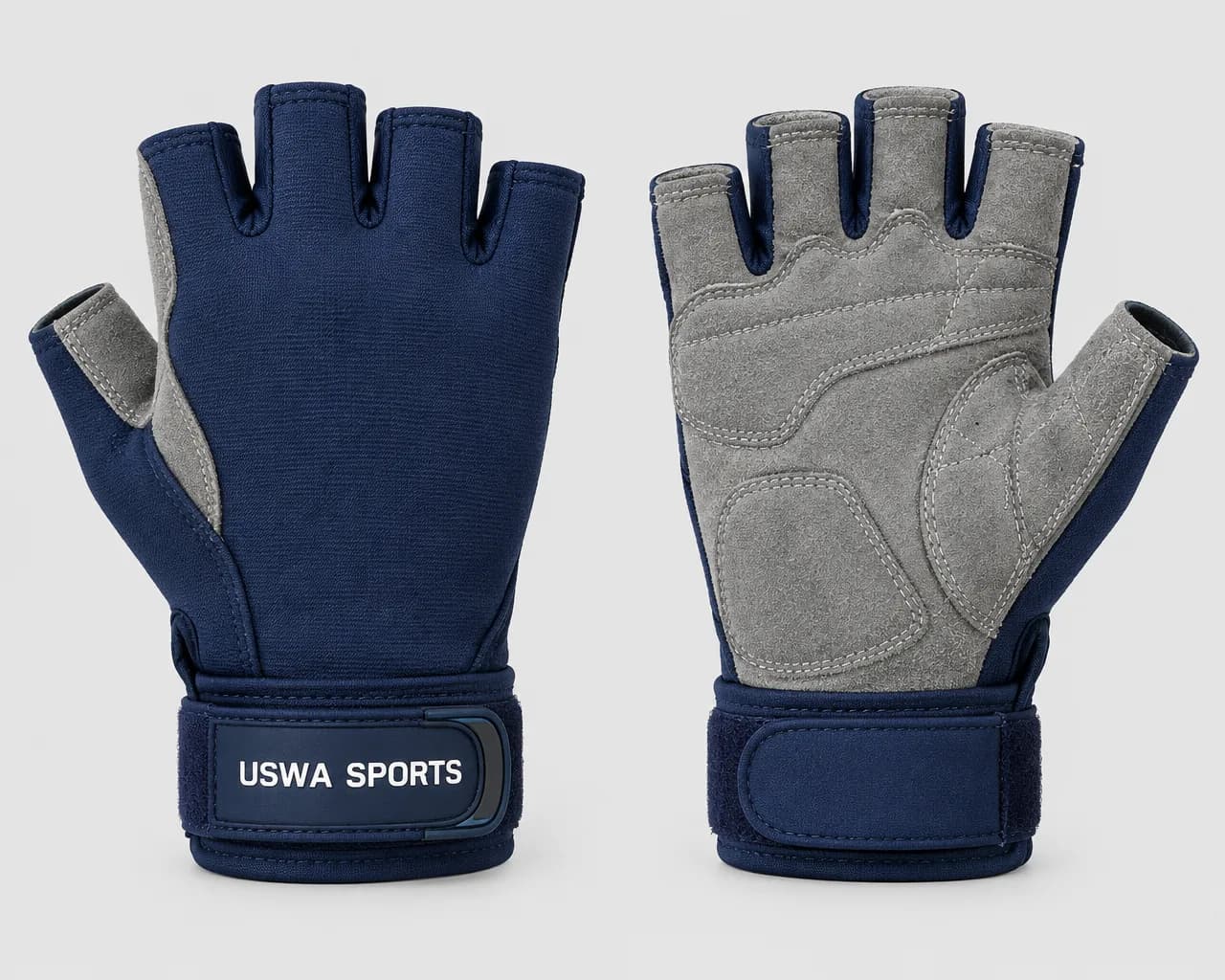
Hauling sheets and halyards can burn and blister hands quickly, especially when ropes are wet. Sailing gloves protect the palm and fingers while keeping enough feel for knots, winches and instruments. This guide explains the main choices.
Glove styles compared
| Style | Protection | Dexterity | Best for |
|---|---|---|---|
| Short finger | Palm and lower fingers | High | Dinghies, racing, knots and electronics |
| Full finger | Whole hand | Medium | Cold water, offshore, heavy rope work |
| Two-finger cut | Most of the hand | High for thumb and index | Crew on winches and sheets |
Palm materials
- Synthetic leather and suede microfibre keep their grip when wet and dry without going stiff.
- Extra patches on the palm, thumb and fingers resist rope wear.
- Real leather feels good but can harden after repeated soaking in salt water.
- Silicone or textured prints add grip on wet lines.
Fit and features
- Gloves should fit snugly; loose gloves bunch up on ropes.
- An adjustable wrist strap keeps the glove in place.
- Stretch fabric or neoprene backs dry quickly and add warmth.
- Finger pull-tabs make wet gloves easier to remove.
- Rinse gloves in fresh water after sailing and dry them away from direct heat.
Ordering custom sailing gloves
Marine brands, sailing schools and clubs should test samples on wet ropes and winches, check the stitching at the fingertips and thumb, and confirm the size chart against real hands. Our workout gloves guide and how to choose cycling gloves cover similar palm materials, and we also make custom horse riding gloves.
Frequently asked questions
Do I need gloves for sailing?
They are strongly recommended. Gloves prevent rope burn and blisters when handling sheets and halyards, especially in strong wind.
Should sailing gloves be tight?
Snug but not restrictive. A close fit stops the glove bunching on ropes while still letting you make a fist.
Are fingerless sailing gloves better?
Short finger gloves give more dexterity for knots and electronics. Full finger gloves give more protection and warmth.
How do I care for sailing gloves?
Rinse them in fresh water after every sail to remove salt, then let them dry naturally away from direct heat.