
By Uswa Sports · 17 November 2026
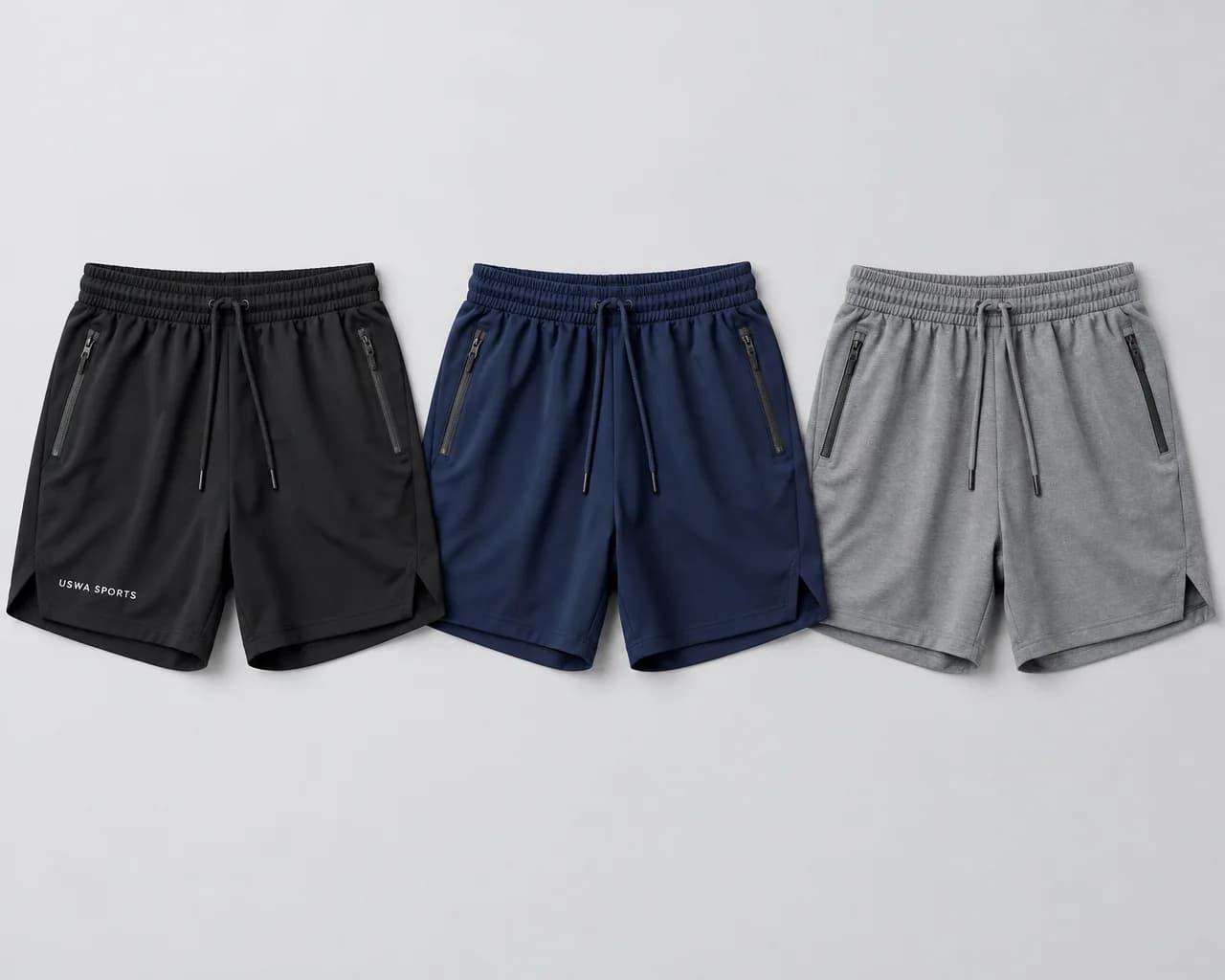
Running is repetitive. A runner may take tens of thousands of strides in a single long run, so small details such as a seam in the wrong place or a fabric that holds sweat become big problems. That is why specialist running clothing brands focus on a few things that general activewear often gets wrong.
1. Fabric
| Fabric | Used for | Why |
|---|---|---|
| Lightweight polyester knit | Tees, singlets | Wicks sweat, dries fast, light |
| Mesh | Vents, singlets, race tops | Maximum airflow |
| Poly-spandex | Tights, half tights, liners | Stretch, support, compression |
| Woven ripstop or stretch woven | Shorts, jackets | Light, wind-resistant, quick-dry |
| Merino blends | Winter base layers | Warm, odour-resistant |
Cotton is the one fabric to avoid for running. It absorbs sweat, gets heavy and causes chafing. Our guide to sportswear fabrics explains the differences in more detail.
2. Seams and chafing
Flatlock stitching and bonded seams lie flat against the skin. Look for seams moved away from high-friction areas such as the underarm and inner thigh, and tagless printed labels instead of stitched ones.
3. Fit
Running tops should skim the body without flapping. Shorts need enough leg opening for a full stride, either through a split hem or stretch fabric. Tights should stay up without constant adjusting, which comes down to the waistband construction and drawcord.
4. Features runners value
- Built-in brief or compression liners in shorts.
- Zipped or bonded pockets for keys, gels and phones.
- Reflective logos, tabs and piping for low light.
- Thumbholes on long-sleeves and jackets.
- Packable jackets that fold into their own pocket.
5. Layering for the season
In summer, a singlet or tee with split shorts is enough. In cooler weather, add a long-sleeve base layer, tights and a light wind jacket or gilet. In winter, a thermal layer, windproof jacket, hat and winter cycling-style gloves keep runners comfortable.
For running apparel brands
If you are building a running label, ask manufacturers about fabric weight in GSM, seam types, liner construction, reflective options and how samples are wear-tested. See custom running apparel for what we produce, and how to start an activewear brand for the wider launch process.